
Pinterest is a great social media platform to focus on and yet it is often overlooked. It is seen as a nice add-on “when we will have time” (which rarely happens), and people tend to focus more efforts on Instagram and Facebook.
Pinterest is an excellent strategic tool, especially for interior design businesses. Here is why you should spend more time playing with that platform.
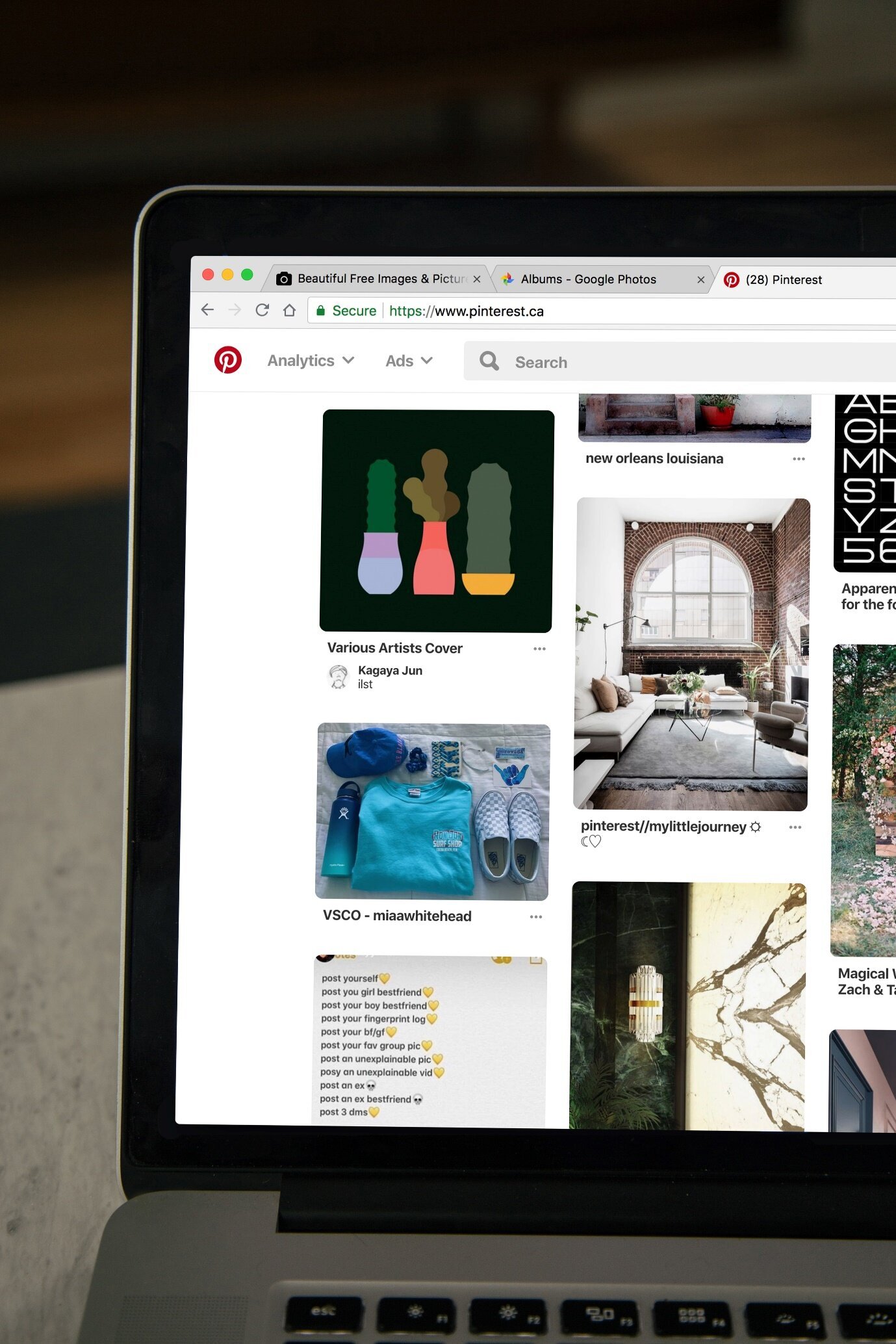
- Customers come to look for information
Unlike Instagram and Facebook where people are mainly there to share personal stuff and interact with friends, Pinterest is a visual search engine. Consumers are on it to actively look for something specific or to be inspired. This means it gives you a great window to make an impact at a time where customers are open to receive your information and won’t feel annoyed at you for sponsored posts in the middle of their feed.

- It is highly visual
Because Pinterest is very visual, it is a great tool to share your portfolio, show off your work, and make your future clients dream about working with you.
When it comes to your own work, make sure to be picky about the images you will share: choose high-quality and vertical pictures to attract more attention.
Mix your own content with other pins that are relevant to your brand. These can be used as inspiration to drive more traffic to your page.

- How-to’s & tutorials
Pinterest is a go-to to find how-tos. That means this is a great platform to share useful tips for your future customers and present yourself as an expert. The more helpful information you will share, the more trustworthy you will appear to the eyes of customers.
Create a one-page flyer to illustrate your content. We love using www.canva.com. You can choose from their template made especially for Pinterest and personalized it depending on the content you are sharing.

- Be searchable and findable
Make sure to use alt text (the hidden text that describes your images) and to use appropriate hashtags. Since it is a search engine put yourself in the shoes of consumers: what would they be looking for to find your content?
- Pin from your website
Pinterest is incredible in making direct links to your website. Unlike Instagram where you can’t add links into your posts, Pinterest makes it super easy to drive traffic to your site.
Pin your blog posts, products, and other useful information you have on your website. Always keep in mind that it is a visual search engine so make sure the images you pin is visually appealing and invite people to click on it.
- Pin regularly
Posting consistently on social media is crucial and so it is on Pinterest. Because we understand you can’t always dedicate 1h of your time each day to find content and post it correctly, we recommend you to use a scheduling tool like later.com to batch schedule your posts for the entire month. Block a few hours each month to do it and you won’t have to worry about it for the next few weeks.

- Be strategic
Make sure to switch your Pinterest account to a business account. This will allow you to link your website and have access to interesting analytics like which pins work the best for your brand, and which content are your customers looking for.
Are you ready to give it a try? Do you need help to set up your account, put together a strategic plan, and monitor it? Let’s grow your interior design business and make sure new customers find your amazing content! Click here to schedule a Complimentary Brand Consultation.